
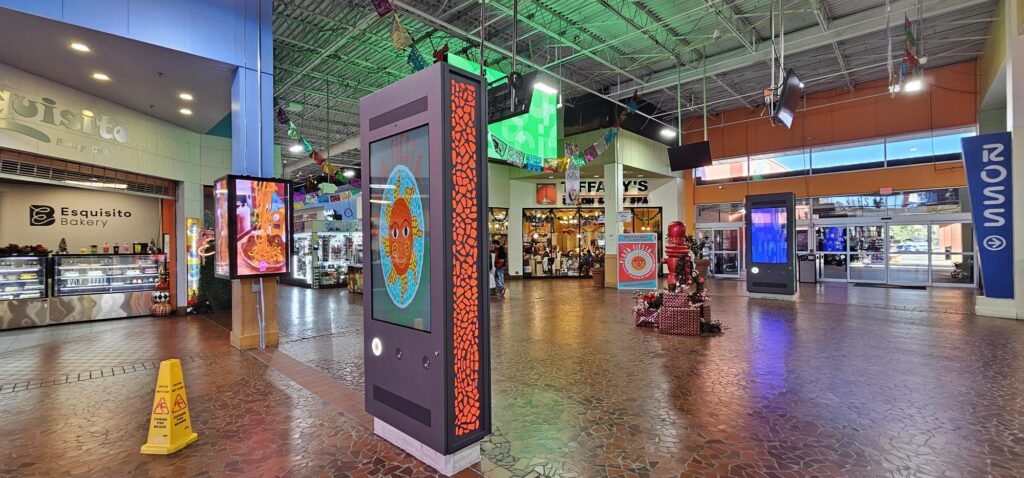
You’ve probably used a self-service kiosk before. Whether at the grocery store self-checkout lane or your local doctor’s office, you’ve interacted with technology that automates once-manual service. But self-service isn’t trying to replace people. It’s designed to serve you faster, smarter, and more efficiently. Think retail stores with quicker checkout lines and doctors’ offices that prioritize patients’ needs with less waiting. Self-service touches every part of the customer journey in industries like retail and healthcare. In this blog, we’ll review what’s driving self-service kiosk growth, how kiosks are being used in these industries, the benefits of self-service, and what to consider when deploying your own.
The Rise of Self-Service Technology
First off, self-service didn’t just magically appear. There are obvious reasons it’s becoming more popular. Here are the key drivers to consider if you’re a business or medical practice thinking about self-service.
Why Are Kiosks Becoming So Popular?
Changing Consumer Expectations
We all want everything to go faster these days. Whether ringing up groceries or checking in for a medical appointment, customers expect seamless, hassle-free interactions. Many tech-savvy customers prefer to handle straightforward tasks independently instead of waiting in line or asking staff for assistance.- Better Technology
Earlier kiosk iterations were slow and often clunky. New kiosks respond instantly to your touch, connect to payment networks seamlessly, and display easy-to-read, intuitive screens. Many kiosks now feature artificial intelligence (AI) and machine learning (ML) that analyze user behavior and offer real-time suggestions tailored to the user. - Labor and Operations
Labor shortages are real, and salaries are constantly increasing. Kiosks can take over routine tasks or gather simple information so your team can focus on higher-value work, such as answering complex questions and providing face-to-face service when it truly enhances the customer experience.
Changing the Way We Shop: Self-Service Kiosks in Retail
Self-service is already revolutionizing the way we shop. One of the biggest ways is by automating the checkout process and giving customers more control.
How Are Kiosks Helping Retailers?
- Quicker Checkout
Self-checkout lanes are fast becoming the norm. Not only can shoppers bag and pay without assistance (shorter lines mean happier customers), but staff can monitor multiple self-checkout lanes at once. This means your store can accommodate more customers during peak times. - Shopping the “Endless Aisle”
Kiosks can double as interactive product catalogs so shoppers can browse your entire online inventory. They can view real-time stock levels at their store, order out-of-stock items to be delivered to their home, or select a new item to scan and try. The ability to shop beyond what’s physically on shelves helps retailers increase conversions while helping shoppers find what they need. - On-the-Spot Customer Service
Kiosks can do more than take payments. Customers can scan an item for more details about its features and location in the store. Some kiosks offer users the ability to join loyalty programs or receive personalized recommendations that increase upsells.
Healthcare’s Patient Journey Gets a Tech Upgrade
Doctors’ offices and hospitals are also finding value in adding self-service kiosks. Not only can self-service cut down on wait times, but it can also help facilities run more smoothly and improve patient care.
How Are Kiosks Changing Healthcare?
- Easy Check-In
We all know that checking in for a doctor’s appointment means filling out paperwork and waiting in line. Kiosk-based check-ins allow patients to confirm personal information, update insurance details, sign digital consent forms, and pay their copay without adding unnecessary visitors to the reception area. Plus, when staff are available to help patients with these services, they can focus on priority concerns or medical inquiries. - Navigation and Information
Wayfinding might not be the first thing you think about when rushing to the hospital. However, self-service kiosks at entrances can provide customized directions to different departments, patient rooms, and amenities. This is one less thing for staff to manage. Kiosks can also function as directories or provide interactive information about arcade games, restaurant menus, and services. - Streamlining Patient Flow
Encouraging patients to input their own data means fewer mistakes and less paperwork for staff to process. Medical professionals can access accurate patient information faster, triage more efficiently, and reduce wait times across the board.
Big Benefits for Businesses and Users
Self-service benefits the organizations that use it. It also simplifies processes for patients and customers.
For Businesses and Healthcare Providers
- 24/7 Efficiency: Kiosks don’t get tired. They can help your business process transactions or registrations without breaks, reduce errors associated with manual input, and limit staffing needs for routine tasks.
- Accurate Data: When customers or patients input their own information, there’s less scrambling to interpret illegible handwriting or correct errors at the register. This can lead to cleaner inventory data and more accurate medical records.
- Staff Where They’re Needed Most: Freeing up staff to do the things kiosks can’t allows you to reallocate valuable resources to high-impact work, such as superior customer service and addressing unique customer needs.
For Customers and Patients
- Shorter Wait Times: Fewer lines. Whether you’re checking out or filling out medical forms, self-service can help move the process along faster.
- More Privacy: Entering personal information, especially health information, can feel uncomfortable. Kiosks allow users to input sensitive data privately without having to share it verbally with staff members at a crowded front desk.
- Take Control: Self-service technology puts the power in the user’s hands. Customers and patients can go at their own pace and review their choices before completing a transaction or check-in.
What to Consider Before Going All-In on Kiosks
Buying and implementing kiosks for your business or medical practice is an exciting prospect. Here are a few things to keep in mind before you take the plunge.
Getting the Details Right
- Will Users Actually Use Them?
Regardless of how sophisticated your kiosk may be, if it’s not user-friendly, your customers and patients won’t use it. Make sure buttons are clearly labeled, processes are easy to navigate, and the kiosk is accessible to all users. Follow ADA standards so patients and customers with disabilities can comfortably interact with your kiosk. - Making Systems Work Together
What good is your kiosk if it can’t integrate with your existing systems? Whether that’s your register and inventory management software or electronic medical records and billing platforms, your kiosk needs seamless integration. This often requires significant technical work, so make sure you have a partner who can provide backend support. - Security and Privacy
Sensitive data will be entering and exiting your kiosks, from credit card details to protected health information. Security isn’t something to tack on at the end. You’ll need robust encryption and enterprise-grade protection to help support compliance with standards like PCI (payment data) and HIPAA (medical data). - Ongoing Maintenance
Every piece of equipment you own requires maintenance. From software updates to walk-up support when errors occur, plan ahead so your kiosks aren’t displaying an “Out of Order” sign during peak times.
Self-service technology is no longer a nice-to-have for businesses and medical practices. It can create more efficient operations, improve accuracy, and give customers more control during retail shopping trips or doctor’s visits. Successful deployments start with thorough planning, a focus on customers and patients, and a commitment to accessibility, security, and strong technical support.
As more organizations seek innovative ways to balance digital self-service with human interaction, choosing the right partner can provide a competitive advantage. Contact D&P Digital Forensics to learn more about our customizable kiosk solutions, and let our experts help you move forward with confidence.